

Plant Protein Vs. Whey: Which Is Better for an Inflamed Gut?

Guest blog by Holly Herrington, MS, RD, LDN, CDCES, CSOWM
If you’ve ever struggled with bloating, stomach discomfort, or that nagging feeling that your digestion is just off, you already know how quickly certain foods can make things worse. If you use protein powder for exercise, weight management, or to hit your daily protein goals, you may wonder whether your protein shake is helping or quietly adding to the problem.
It’s a fair question. Gut inflammation plays a role in many chronic conditions, including irritable bowel syndrome (IBS), inflammatory bowel disease (IBD), and what is often called leaky gut, or increased intestinal permeability. What you eat every day can either support a calmer gut or add to the irritation. So let’s look at the two most popular protein sources and what research says about how each one affects an inflamed gut.
What Is Gut Inflammation?
Gut inflammation happens when the lining of your digestive tract gets irritated and triggers an immune response. Sometimes it’s temporary, triggered by a single bad meal or a passing stomach bug. But for millions of people, it’s a long-term issue that shows up as bloating, cramping, loose stools, fatigue, and even mood changes.
Your gut lining works like a bouncer at the door: It lets the right guests in (nutrients) and keeps the troublemakers (harmful substances) out. When that barrier weakens, bacteria, toxins, and undigested food particles can sneak through and trigger even more inflammation.
When it comes to digestion, protein plays a big role. It helps build the enzymes your body needs to absorb nutrients, supports the immune cells that line your gut, and repairs intestinal tissue damaged by inflammation. But not all protein sources behave the same way, especially when your gut is already inflamed.
Whey Protein
Whey comes from cow's milk during the cheese-making process and is one of the most researched proteins out there. It’s a complete protein with all nine essential amino acids the body cannot produce on its own, including a high amount of leucine, the amino acid that drives muscle repair and growth. It’s also highly bioavailable, meaning your body absorbs and uses it quickly, supporting muscle synthesis, tissue repair, enzyme production, and immune function.
From a gut perspective, whey does have some real advantages. It naturally contains lactoferrin and immunoglobulins, which support immune function in the gut. Lactoferrin has been shown to have anti-inflammatory and antimicrobial effects, and certain whey proteins may help strengthen the intestinal lining.1
That sounds promising, but it's important to know this.
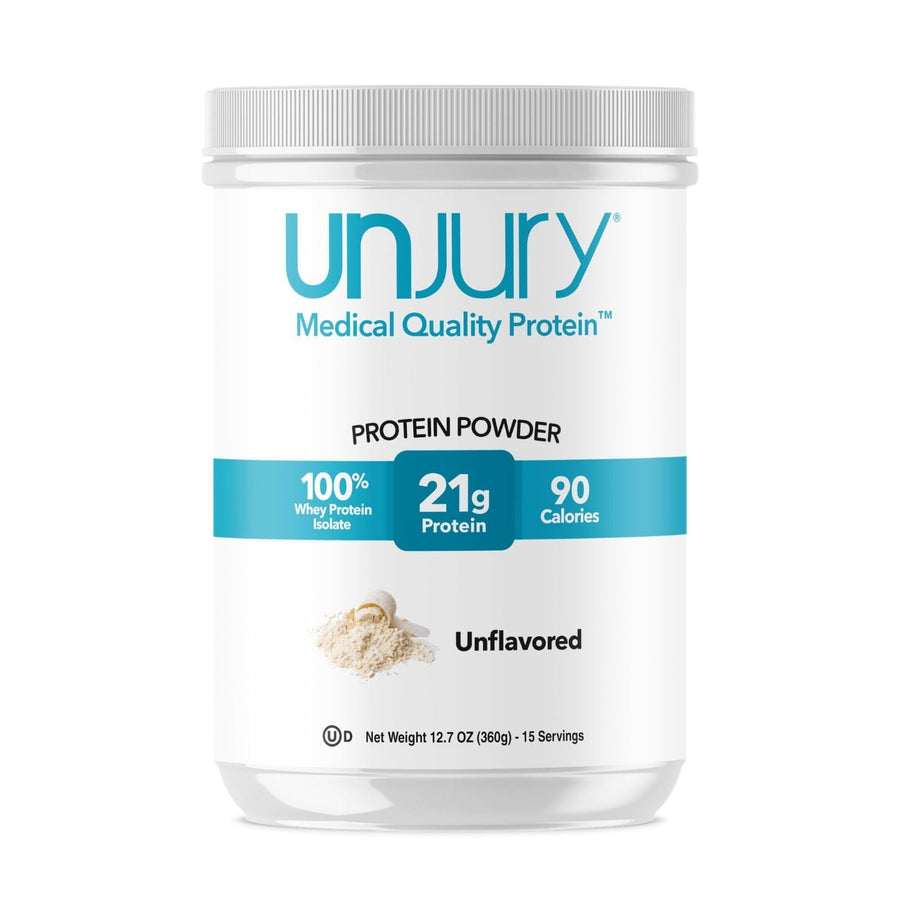
Because whey comes from dairy, it can cause digestive issues for people with lactose intolerance or dairy sensitivity. If you are lactose-sensitive, choosing 100% whey protein isolate provides the benefits of whey protein with the lowest lactose content.
A quick breakdown of whey proteins:
- Whey concentrate has more lactose and milk fat, which can be harder on sensitive digestion.
- Whey isolate has most of the lactose removed and is usually easier to tolerate.
Still, neither option works for everyone. For people with gut inflammation, dairy sensitivity, or conditions like IBD, you might consider alternative protein sources.
Plant Protein
Plant-based proteins, including pea, hemp, brown rice, soy, and pumpkin seed, have become incredibly popular, and there are real gut-health reasons for that.
One major advantage is fiber. Many plant proteins keep some of the fiber from their original whole-food source. Fiber feeds beneficial gut bacteria, supports the gut lining, and helps produce butyrate, one of the body's strongest natural anti-inflammatory compounds. Research links plant-rich diets to greater microbial diversity and lower inflammation.2
Pea protein is especially popular because it’s easy to digest and relatively hypoallergenic. A study in Nutrients found it comparable to whey for muscle protein synthesis, with fewer digestive side effects in sensitive individuals.3
Soy protein is often misunderstood, but human research paints a reassuring picture. A review found no negative effects of soy on hormones, thyroid function, or reproductive health in healthy adults.4 The Journal of Nutrition identifies soy as a complete, high-quality protein with a strong safety record. Soy also contains isoflavones, which have been linked to lower C-reactive protein (CRP), a key marker of systemic inflammation, and a more diverse gut microbiome.2
Hemp protein is worth mentioning, too. It contains omega-3 fatty acids, which are well-known for their anti-inflammatory benefits. It tends to be lower in total protein per serving than pea or soy, but it’s gentle on digestion.
Fermented or sprouted plant proteins are also worth considering because these processes break down compounds that can interfere with nutrient absorption and make protein easier to tolerate.5
So, Which Should You Choose?
If your gut is healthy and you tolerate dairy well, whey protein is hard to beat. It digests quickly, absorbs efficiently, and is backed by decades of solid research for muscle repair, recovery, and immune support.
If you are dealing with IBS, IBD, lactose intolerance, or dairy sensitivity, plant-based proteins are often a better place to start.6 Pea, hemp, and fermented soy tend to be easier on digestion, less likely to trigger symptoms, and come with the added benefit of fiber that supports the gut microbiome. A review found that plant proteins were more consistently linked to greater microbial diversity and lower inflammatory markers than animal proteins, which is an important detail for anyone managing chronic gut inflammation.7,8
If you have tried plant protein and it made your symptoms worse, which can happen for people sensitive to FODMAPs, a high-quality whey isolate may be worth trying with guidance from a registered dietitian who specializes in gut health.
One more thing: No protein powder can fix a diet that is heavy in ultraprocessed foods, added sugar, and refined grains. The real question is not which protein is “best” overall, but which one works best for your body and fits into a way of eating that supports your health.
The Takeaway
Your protein powder is not just fuel. For most people dealing with gut inflammation, plant proteins offer a gentler, microbiome-friendly option with real anti-inflammatory benefits. Whey is considered the gold standard protein option, but it’s not the right fit for everyone, especially those with dairy allergies or inflammatory gut conditions.
The best protein is the one your gut can actually use without setting off an alarm. Finding that match might be the first step toward feeling a whole lot better.
References
1. Conesa C et al. Pharmaceutics. 2023;15(6):1569.
2. Xiao CW. J Nutr. 2008;138(6):1244S-1249S.
3. Babault N et al. J Int Soc Sports Nutr. 2015;12(1):3.
4. Messina M. Nutrients. 2016;8(12):754.
5. Xiao X et al. Molecules. 2023;28(10):4016.
6. Konijeti GG et al. Inflamm Bowel Dis. 2017;23(11):2054-2060.
7. Adejumo SA et al. Adv Nutr. 2026;17(2):100582.
8. Wastyk HC et al. Cell. 2021;184(16):4137-4153.

Featured product


Popular posts